Every organisation depends on its people. Having the right workforce, with the right skills, in the right place at the right time is essential to maintaining productivity, controlling costs and delivering work efficiently.
Workforce management helps organisations achieve exactly that. By planning, scheduling and coordinating their workforce effectively, businesses can improve productivity, optimise resources and gain greater visibility across their operations.
In this guide, we’ll explain what workforce management is, what it includes, the benefits it delivers, the challenges organisations face and how workforce management supports field operations.
What Is Workforce Management (WFM)?
Workforce management (WFM) is the process of planning, scheduling, coordinating and monitoring an organisation’s workforce to ensure work is delivered efficiently, safely and on time.
Its primary objective is to match people, skills and resources with operational demand. Rather than simply deciding who works when, workforce management provides organisations with the visibility and control needed to allocate work effectively, monitor performance and adapt as priorities change.
For organisations managing operational or field-based teams, workforce management plays an important role in ensuring the right operatives are assigned to the right jobs, equipped with the correct skills and available when work needs to be completed.
Effective workforce management also supports better decision-making. With greater visibility across workloads, workforce availability and productivity, managers can respond more quickly to changing demands while making better use of available resources.
At its core, workforce management focuses on answering five simple questions:
- Do we have enough people to complete the work?
- Do they have the right skills and competencies?
- Are they available when the work needs to be completed?
- Are they being used as efficiently as possible?
- Do managers have the visibility needed to make informed decisions?
When organisations can answer these questions confidently, they’re far better positioned to deliver work efficiently while maintaining high standards of productivity and operational performance.
The Core Components of Workforce Management
Workforce management is made up of several connected activities that help organisations plan, coordinate and optimise their workforce. While the exact processes vary between industries, most workforce management strategies include the following core areas.
Workforce Planning
Every successful operation starts with a plan.
Workforce planning is the process of forecasting future demand and ensuring enough people and resources are available to deliver upcoming work efficiently. By understanding future workloads, organisations can prepare for busy periods, identify resource gaps and avoid unnecessary disruption.
- Forecast future workloads.
- Balance resources across teams.
- Prepare for seasonal demand.
- Identify skills or capacity gaps.
- Reduce unnecessary labour costs.
Workforce Scheduling
Workforce scheduling focuses on assigning the right work to the right people at the right time. This means considering availability, skills, location and workload to ensure resources are used as efficiently as possible.
- Reduce travel time.
- Balance workloads.
- Improve productivity.
- Respond quickly to changing priorities.
- Deliver work on time.
Skills and Competency Management
Having available employees is only one part of workforce management. Organisations also need confidence that people have the right qualifications, certifications and competencies before work is allocated.
- Allocate qualified operatives.
- Monitor certification expiry dates.
- Identify training requirements.
- Reduce compliance risks.
- Support workforce development.
Time and Attendance
Understanding when employees are working provides valuable insight into workforce availability, utilisation and productivity. Digital time recording also reduces administration while improving the accuracy of workforce data.
- Record working hours accurately.
- Manage overtime and absences.
- Simplify payroll processes.
- Improve workforce utilisation.
- Reduce manual administration.
Workforce Forecasting
Operational demand changes over time, making workforce forecasting an important part of workforce management. By analysing historical trends and future workloads, organisations can predict resource requirements before shortages occur.
- Anticipate future demand.
- Plan recruitment or subcontractor requirements.
- Avoid resource shortages.
- Improve workforce capacity planning.
- Make more informed operational decisions.
Performance Monitoring
Once work has been allocated, organisations need visibility into how efficiently it’s being delivered. Monitoring workforce performance helps managers understand productivity, utilisation and operational performance across their teams.
- Workforce productivity.
- Jobs completed.
- Resource utilisation.
- Operational KPIs.
- Performance reporting.
Compliance and Workforce Visibility
Effective workforce management also relies on accurate information. Managers need visibility over their workforce while ensuring employees follow operational procedures and complete the necessary checks throughout the working day.
- Monitor work in progress.
- Track workforce activity.
- Improve operational oversight.
- Maintain accurate audit trails.
- Respond quickly to changing priorities.
What Are the Benefits of Workforce Management
An effective workforce management strategy delivers far more than organised schedules. By improving visibility, planning and coordination, organisations can increase productivity, reduce costs and make better operational decisions.
- Improved Productivity: Workforce management helps employees spend less time waiting, travelling or dealing with scheduling conflicts, allowing more work to be completed with the same resources.
- Better Workforce Visibility: Managers gain a real-time view of workforce activity, making it easier to monitor progress, identify delays and respond quickly to changing priorities.
- Smarter Resource Allocation: By understanding workforce availability, skills and workloads, organisations can assign the right people to the right jobs while making better use of available resources.
- Lower Operating Costs: Better planning reduces unnecessary overtime, travel, repeat visits and administrative effort, helping organisations improve efficiency while controlling costs.
- Improved compliance: Tracking workforce skills, qualifications and operational processes helps ensure work is completed safely while supporting regulatory and audit requirements.
- Better Decision Making: Access to accurate workforce data gives managers the insight needed to forecast demand, measure performance and make informed operational decisions.
Common Workforce Management Challenges
As organisations grow, managing people and resources becomes increasingly complex. Many businesses experience similar workforce management challenges.
Common issues include:
- Coordinating employees across multiple locations.
- Managing last-minute schedule changes.
- Limited visibility of work in progress.
- Tracking workforce skills and competencies.
- Manual timesheets and administration.
- Multiple disconnected systems.
- Forecasting future demand.
- Maintaining compliance.
Without the right processes and technology, these challenges often lead to reduced productivity, increased costs and limited operational visibility.
Workforce Management in Field Operations
Workforce management becomes even more important when operatives are working across multiple sites rather than from a single location.
Field-based organisations need to coordinate people, jobs and resources while adapting to changing priorities throughout the day. Back-office teams also need confidence that operatives have the right skills, information and equipment before work begins.
This is particularly important across industries such as telecoms, water, gas, power and rail, where productivity and compliance depend on effective workforce coordination.
Successful workforce management in field operations helps organisations:
- Allocate work efficiently.
- Respond quickly to operational changes.
- Improve communication between office and field teams.
- Maintain compliance.
- Increase workforce productivity.
The more complex field operations become, the more valuable workforce visibility becomes.
How Workforce Management Software Helps
As organisations grow, managing workforce activities using spreadsheets, paperwork or disconnected systems becomes increasingly difficult.
Workforce management software centralises workforce information, helping organisations improve planning, scheduling and operational visibility while reducing administration.
Typical workforce management software features include:
- Workforce scheduling.
- Mobile workforce applications.
- Job management.
- Digital timesheets.
- Skills and competency management.
- Operational reporting.
- Workforce forecasting.
- Compliance management.
- Business system integrations.
Rather than replacing people, workforce management software gives teams better information to make better operational decisions.
How Depotnet Supports Workforce Management
For organisations managing field operations, workforce management extends far beyond scheduling operatives. It requires complete visibility across people, jobs, compliance and operational performance while keeping office and field teams connected throughout the working day.
Depotnet brings these activities together in a single, configurable platform, helping organisations plan work more effectively, improve workforce productivity and maintain greater operational control.
Job Management
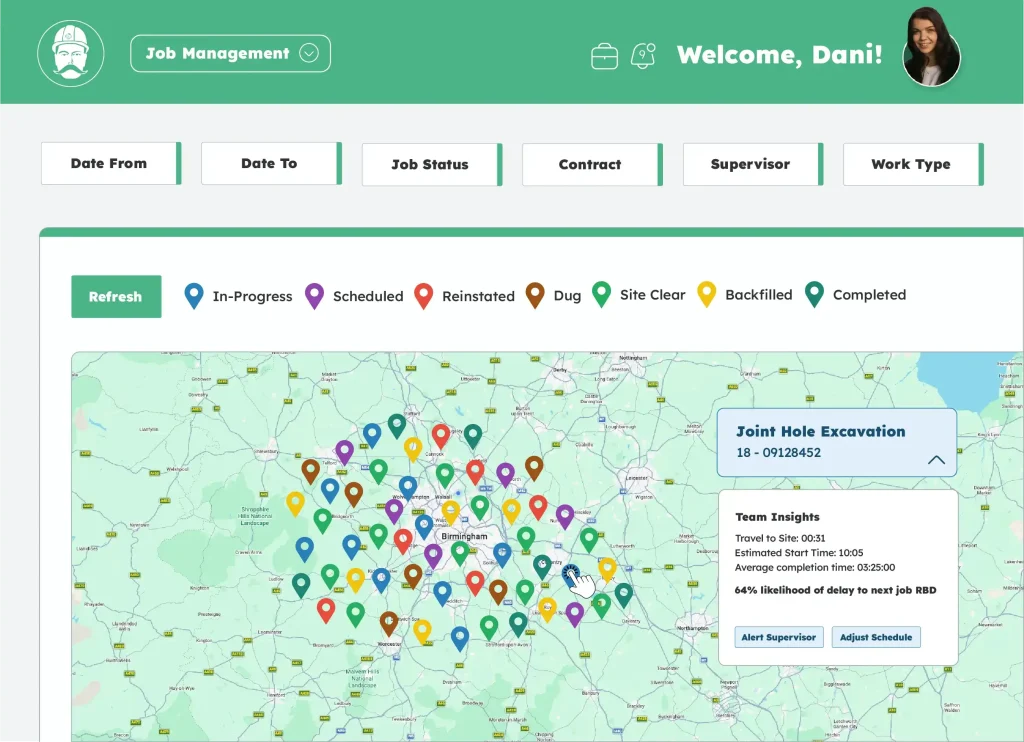
Track every job from planning through to completion with complete operational visibility. Live progress updates, job statuses and field data help managers monitor delivery, identify delays early and keep projects moving efficiently.
Workforce Scheduling
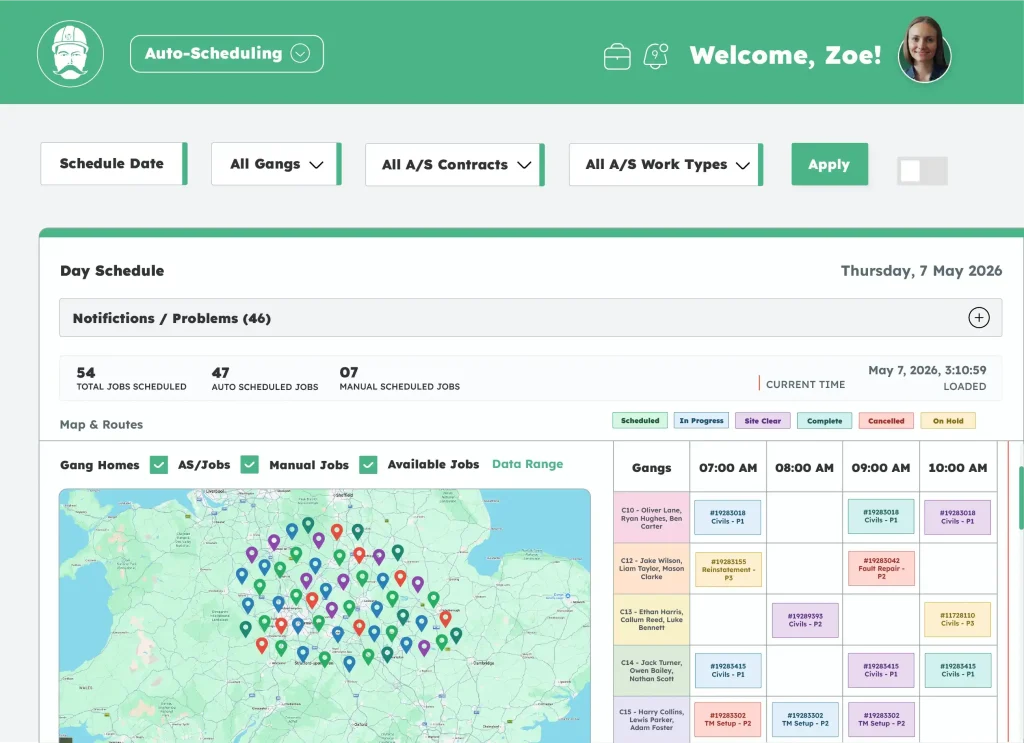
Assign work based on workforce availability, skills, location and operational priorities. Depotnet helps planners build efficient schedules, respond quickly to changing workloads and ensure the right operatives are assigned to the right jobs at the right time.
Mobile Working
Give field operatives everything they need to complete work on site through a dedicated mobile application. Teams can receive work, capture photos, complete digital forms and update job progress in real time, keeping office and field operations connected.
Skills and Competencies
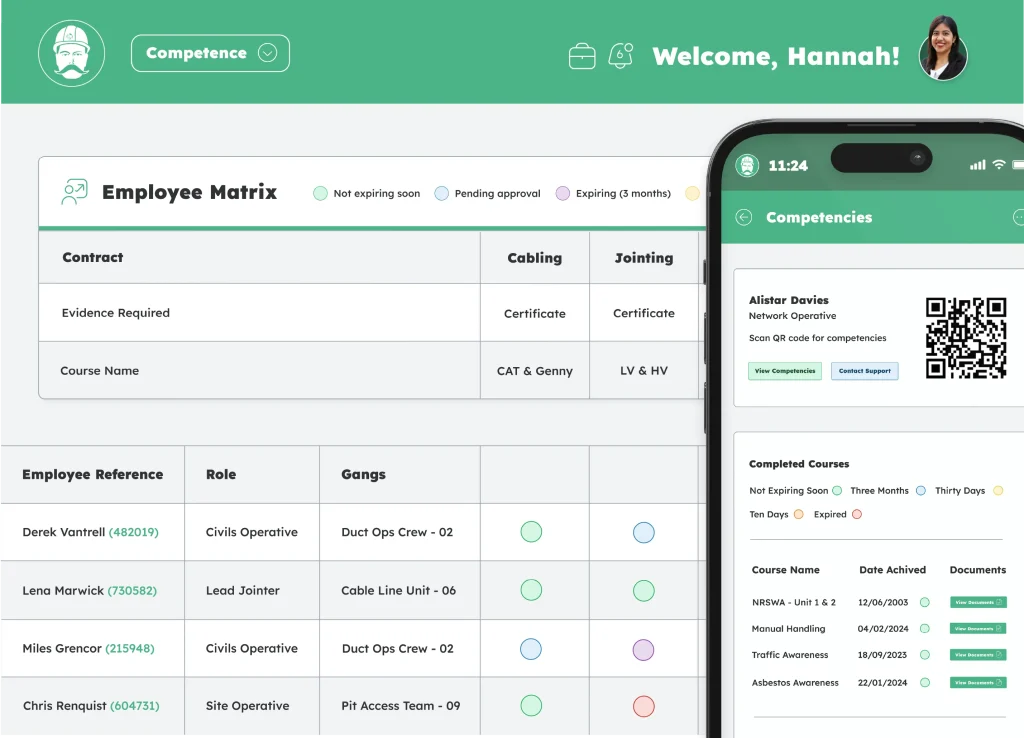
Maintain a central record of workforce qualifications, certifications and competencies, making it easy to verify operatives are suitably qualified before work is allocated. This helps improve workforce planning while supporting operational compliance.
Timesheets
Digitally capture working hours directly from the field, reducing manual administration and improving the accuracy of workforce records. Integrated timesheets also provide valuable insight into workforce utilisation and simplify payroll processes.
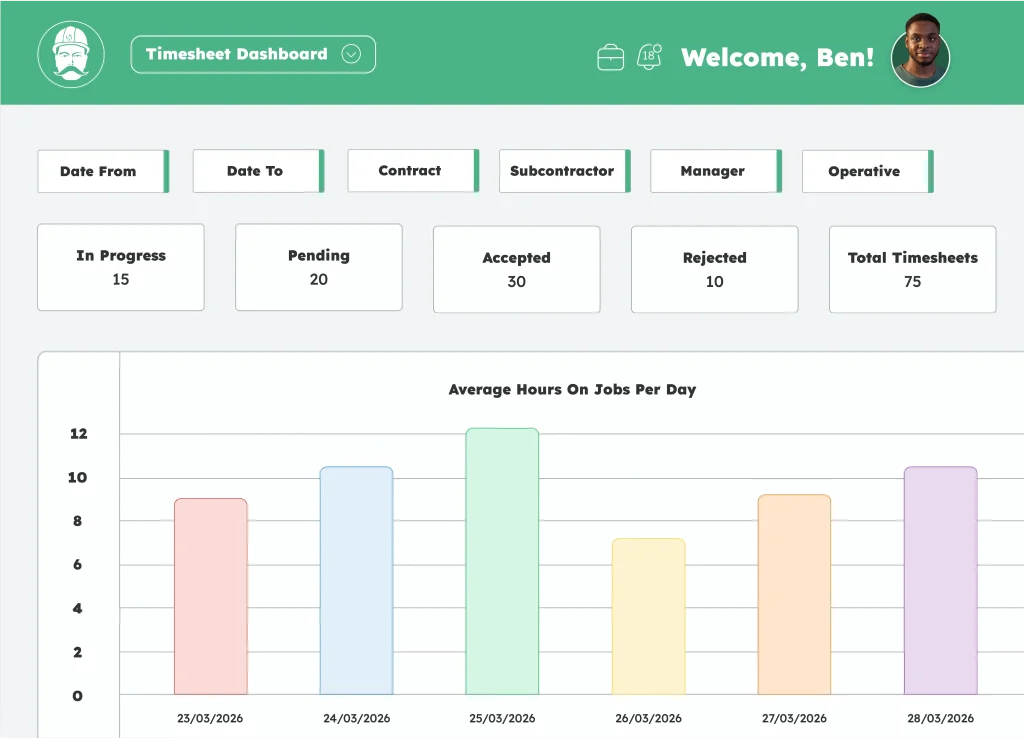
Operational Reporting
Access real-time dashboards and reports to monitor workforce productivity, utilisation and operational performance. By turning workforce data into actionable insights, organisations can identify trends, improve planning and make more informed decisions.
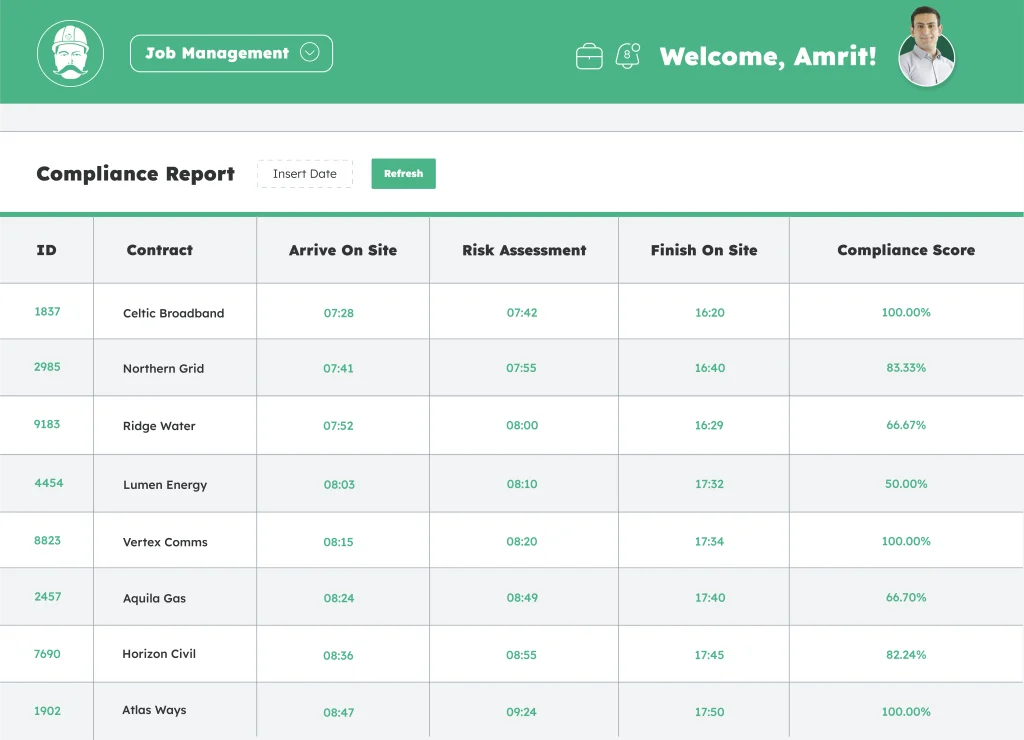
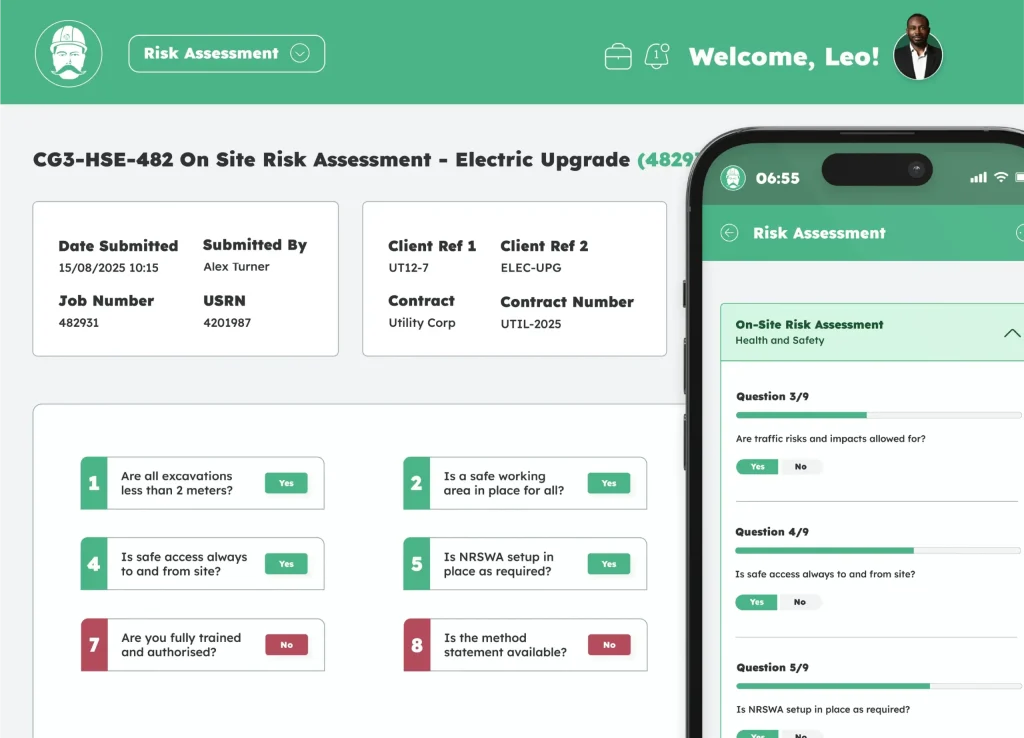
Compliance
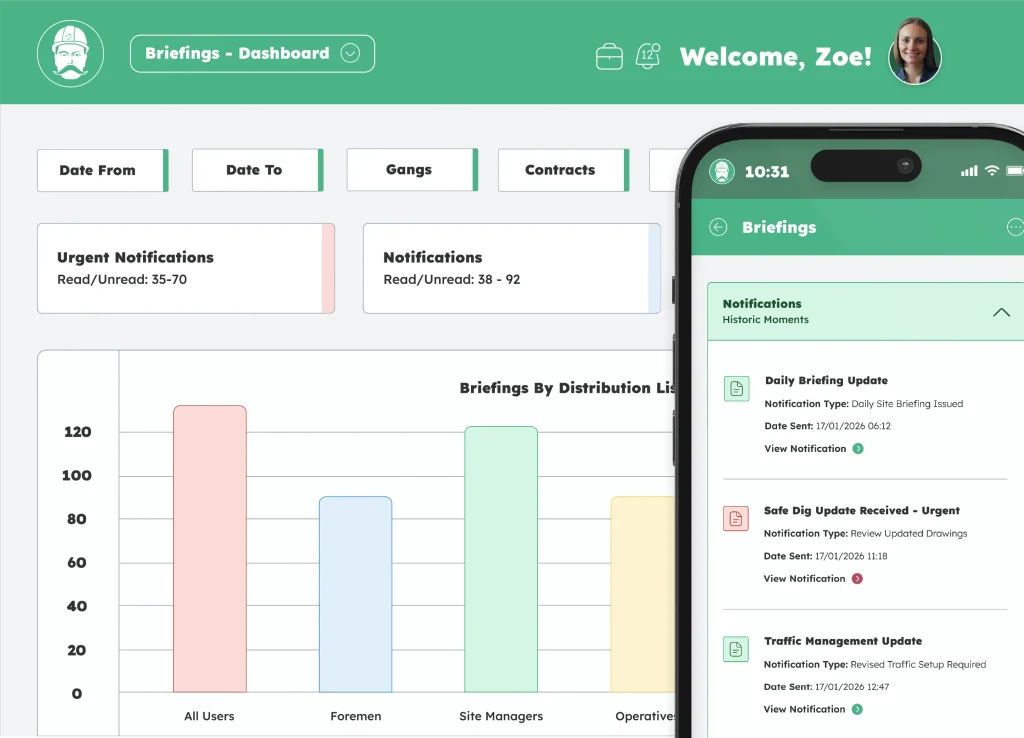
Support safer working practices through digital briefings, risk assessments, audits and operational workflows. Keeping compliance activities connected within the wider workforce management process helps reduce risk while maintaining a complete audit trail.
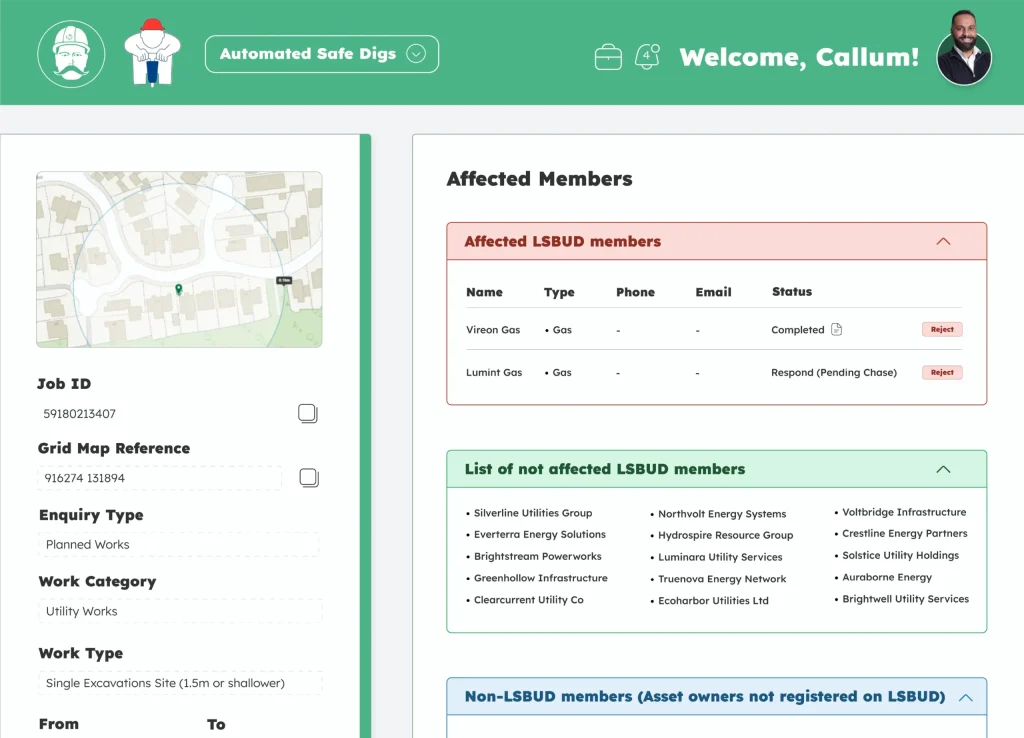
Integrations
Connect workforce management with wider operational systems to keep information accurate and up to date across your business. Integration with LSBUD (LineSearch BeforeUDig) gives field and office teams instant access to Safe Dig searches and utility plans before work begins, while integration with the DfT’s Street Manager streamlines permit management by jkeeping notices and street works information synchronised in real time.
Together, these capabilities help organisations move beyond simply managing schedules. Depotnet provides the visibility, coordination and operational insight needed to manage modern field workforces more efficiently while keeping office and field teams connected.