Most job management software is chosen to solve the challenges a business faces at the time. But as operations grow, so do the demands placed on your systems. More operatives, larger contracts, stricter compliance requirements and rising customer expectations can all expose limitations that weren’t obvious when the software was first introduced.
The problem is that these changes rarely happen overnight. Instead, workarounds gradually become part of the daily routine, whether that’s relying on spreadsheets, manually chasing updates or using separate systems to manage key processes. Before long, the software that once improved efficiency starts creating additional administration instead.
If any of the following signs sound familiar, it may be time to consider whether your current job management software is still supporting your operation or holding it back.
7 signs it’s time to upgrade
1. Your Planners Spend More Time Managing Spreadsheets Than Managing Work
Spreadsheets are useful for quick calculations, but they shouldn’t sit at the heart of your operation. If planners are exporting jobs every morning or maintaining separate scheduling documents, it’s often a sign that your job management software no longer supports the way your business works.
As operations grow, these workarounds increase administration, create conflicting information and make it harder to respond when plans change.
- Daily work schedules are exported into Excel.
- Jobs are manually copied between multiple systems.
- Different planners work from different versions of the schedule.
- Changes aren’t reflected across the business in real time.
- Planning depends on individual knowledge rather than live operational data.
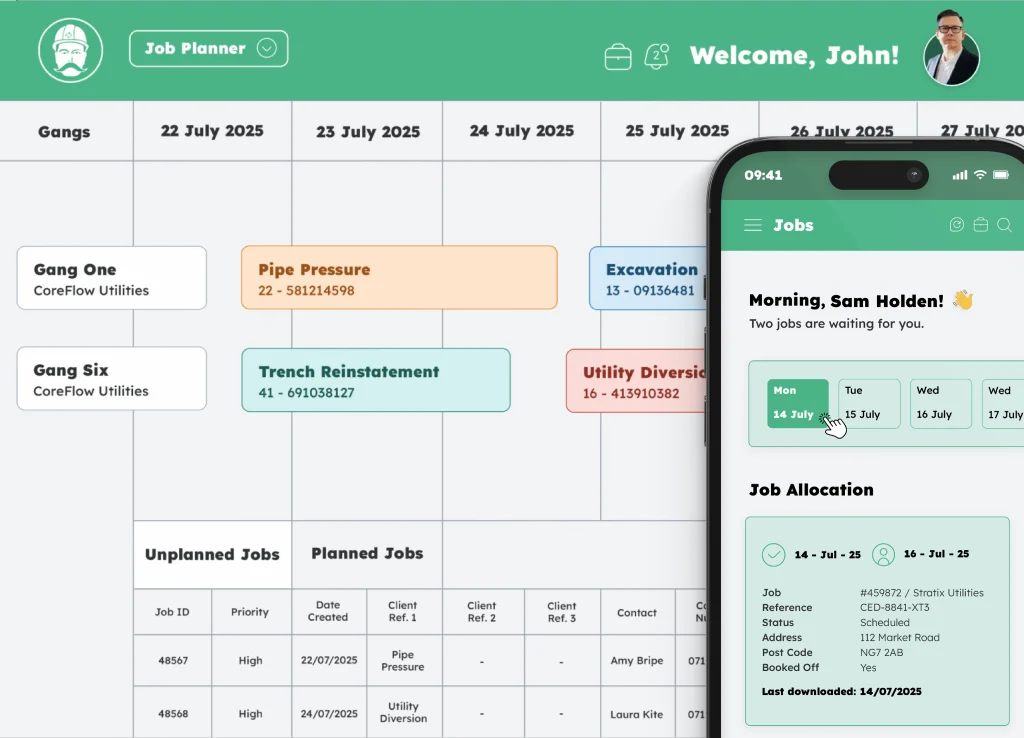
Depotnet gives planners a live view of every job, operative and schedule from a single platform. With built-in scheduling, real-time job updates and configurable workflows, planners can manage changing priorities without relying on disconnected spreadsheets or manual processes.
2. Your Office Team Spends More Time Chasing Updates Than Managing Operations
A job management system should give office teams visibility of work as it happens. If back-office teams are constantly calling operatives for progress updates, site photos or completion times, your software isn’t providing the operational insight it should.
When information doesn’t flow between the field and the office, delays become harder to manage and customers are left waiting for answers.
- Operatives regularly receive calls asking for job updates.
- Site photos are shared through email or messaging apps.
- Customers are placed on hold while staff confirm progress.
- Different departments report different job statuses.
- Supervisors maintain separate trackers outside the system.
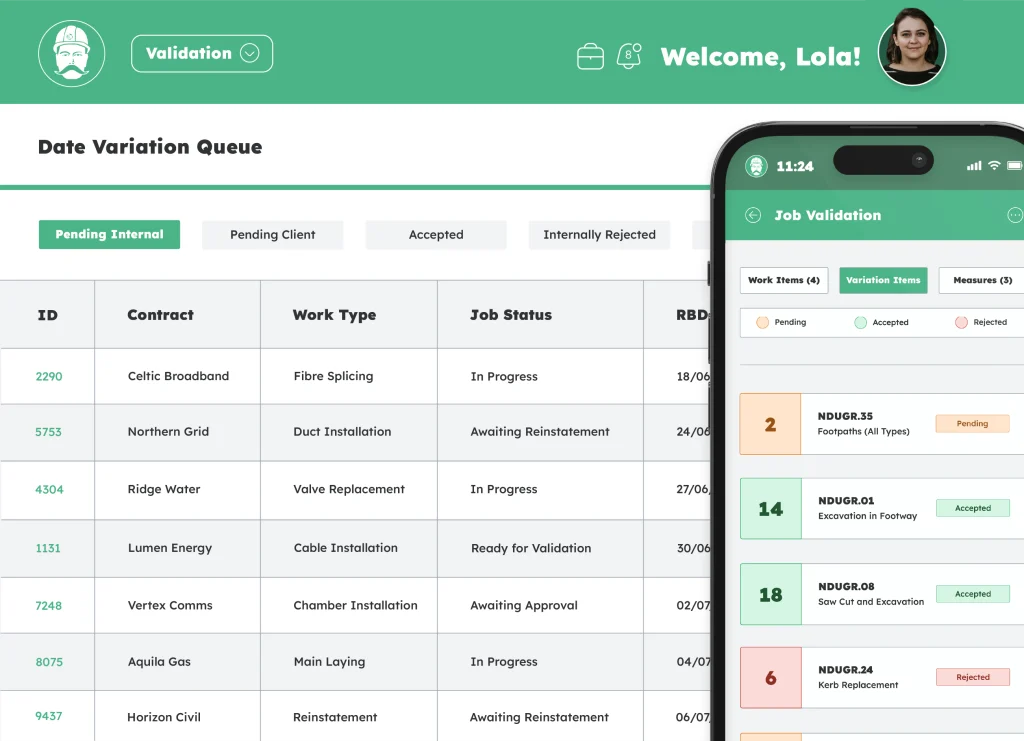
Depotnet keeps office and field teams connected through live job updates, mobile working and centralised job records. As work progresses, everyone sees the same information, helping reduce unnecessary phone calls and improving communication across the business.
3. Your Office Team Spends More Time Chasing Updates Than Managing Operations
No schedule stays the same for long. Emergency work, customer requests, traffic conditions and resource availability can all force planners to make changes throughout the day. If even minor adjustments take significant time and effort, your software may be slowing your operation down.
The longer it takes to adapt your schedule, the more difficult it becomes to keep work on track and resources fully utilised.
- Jobs are manually reassigned throughout the day.
- Operatives aren’t allocated based on skills or location.
- Last-minute changes disrupt the entire schedule.
- Planners spend hours balancing workloads.
- Emergency work regularly impacts planned activities.
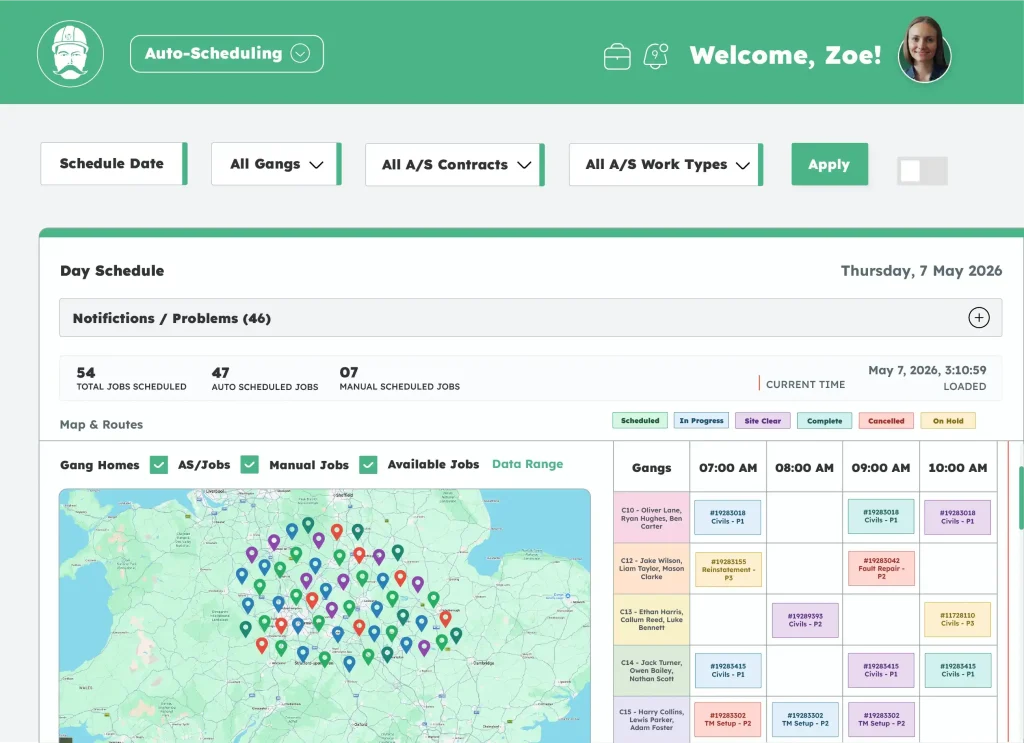
Depotnet’s scheduling tools help planners allocate work based on availability, skills, location and business rules. Live scheduling means changes can be made quickly without disrupting the wider operation, helping teams respond more effectively to changing priorities.
4. You Spend More Time Building Reports Than Using Them
ood decisions rely on accurate information. If producing reports means exporting data from multiple systems and manually combining spreadsheets, your reporting process is slowing the business down.
Reporting should help you understand performance, not consume valuable management time.
- Weekly reports are built manually.
- KPI data comes from several systems.
- Performance figures require manual validation.
- Reports take hours to produce.
- Different stakeholders report different numbers.
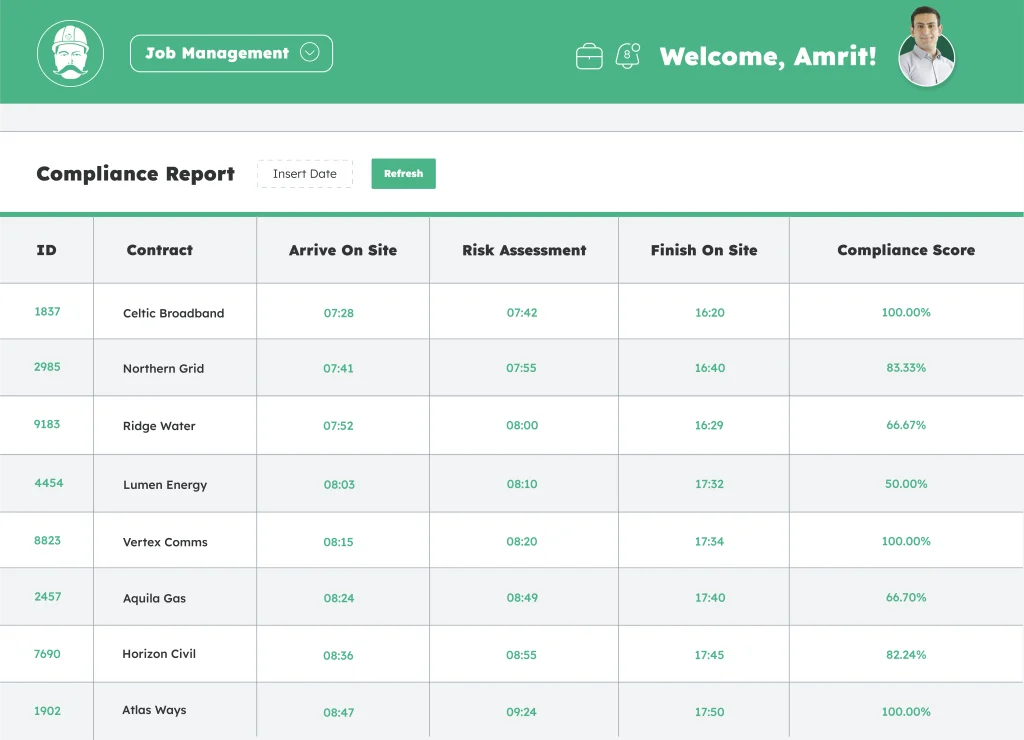
Depotnet provides configurable dashboards and operational reporting, giving managers access to live performance data without manually compiling information.
5. Your Software Doesn’t Integrate With The Systems You Depend On
Modern utility operations rely on multiple platforms, but those systems should work together rather than independently. Constantly moving information between systems wastes time and increases the likelihood of errors.
Disconnected systems often create more administration than they remove.
- Information is entered more than once.
- Finance and operational systems don’t communicate.
- Customer information is duplicated.
- Integrations require manual intervention.
- Teams rely on imports and exports.
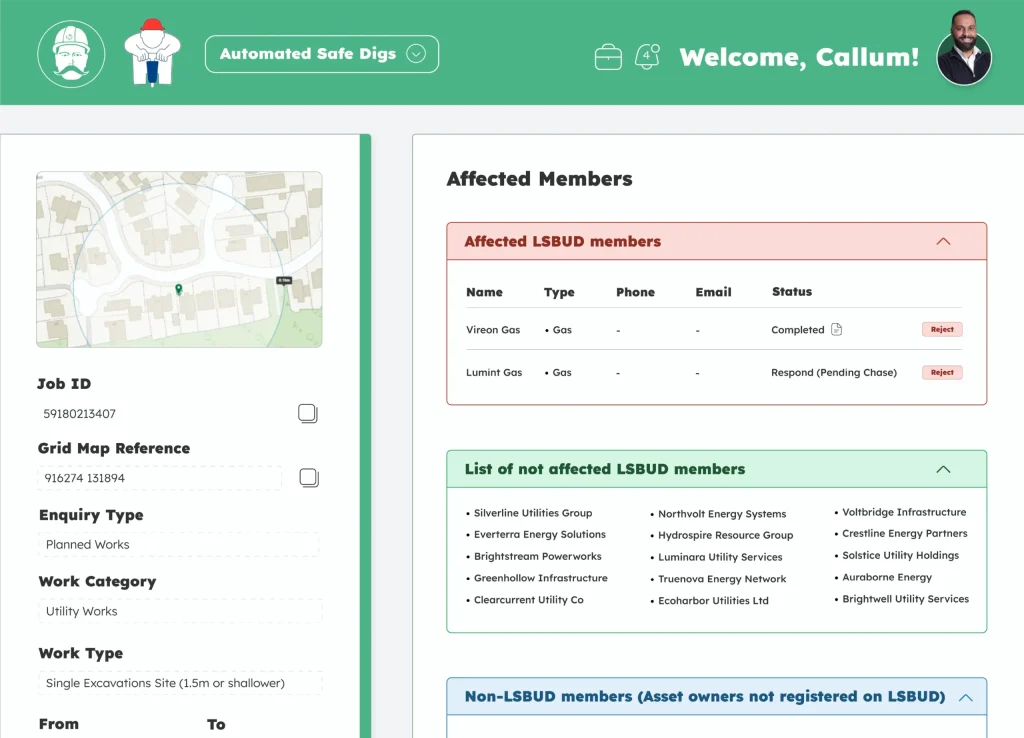
Depotnet integrates with key operational systems such as LSBUD (Linesearch BeforeUDig) and Street Manager while supporting wider business processes, helping reduce duplicate administration and improve data accuracy.
6. Operatives Spend Too Much Time Completing Administration
Every minute spent updating paperwork is time taken away from productive work. Mobile software should simplify administration, allowing operatives to capture information quickly while remaining focused on the job.
Reducing administration gives operatives more time to deliver work safely and efficiently.
- Paperwork is completed after leaving the site.
- Information is entered multiple times.
- Photos are uploaded at the end of the day.
- Operatives spend excessive time updating jobs.
- Administrative tasks delay the next job.
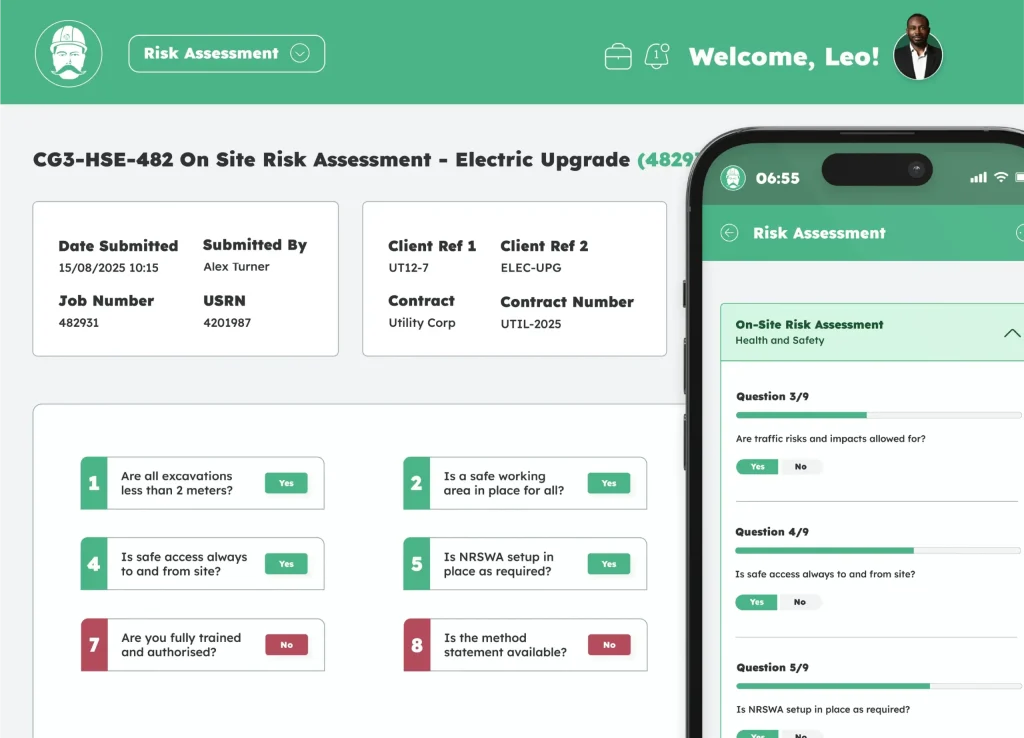
Depotnet’s mobile application enables operatives to complete risk assessments and site surveys while updating job progress directly from site, reducing unnecessary administration.
7. You Don’t Have Oversight Of Permits And FPNs
Street works permits are constantly changing, and keeping track of permit statuses, Section 74 risks and Fixed Penalty Notices can quickly become difficult when information is spread across multiple systems. Without clear oversight, small compliance issues can escalate into project delays, avoidable fines and unnecessary administration.
When permit information isn’t easy to access, teams spend more time chasing updates than proactively managing compliance.
- Permit statuses are checked across multiple systems.
- Teams have limited visibility of Section 74 risks.
- FPNs are identified after they’ve been issued.
- Managers struggle to see which permits need attention.
- Office teams spend time chasing permit updates.
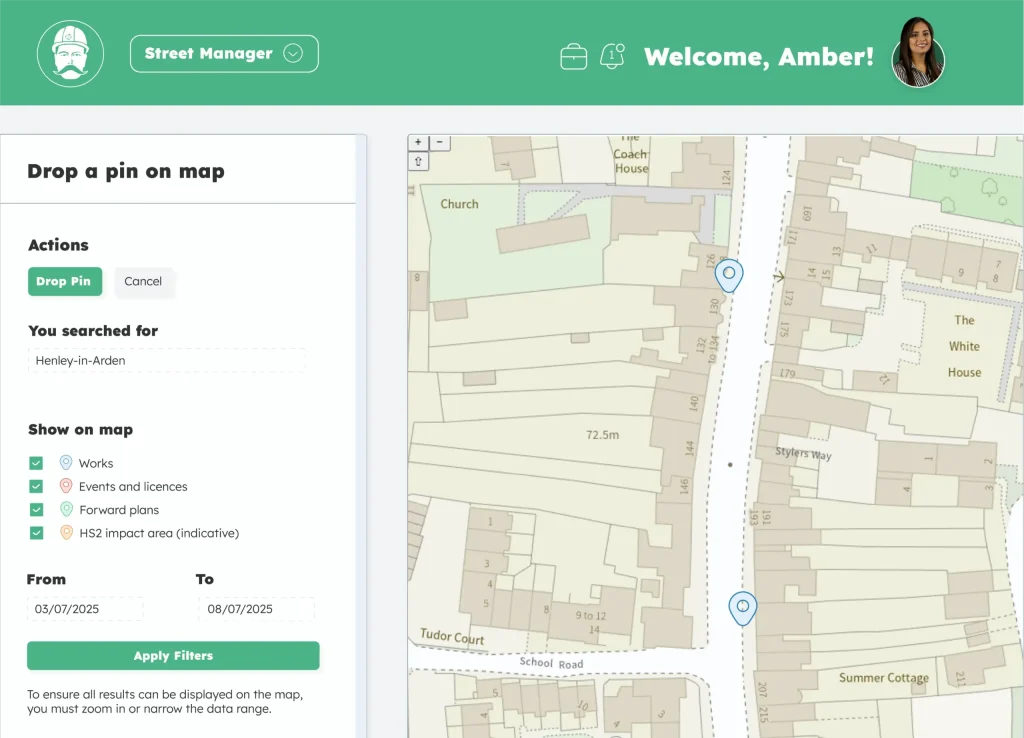
Depotnet brings permit management into the live job through its Street Manager integration, giving teams greater visibility of permit statuses, Section 74 risks and FPNs from a single platform. That means faster decisions, fewer manual checks and better control over street works compliance.
Ready For Job Management Software That Grows With You?
Outgrowing your job management software doesn’t mean your business is doing something wrong. It often means your operation has become more complex, and your systems haven’t kept pace. If several of these signs feel familiar, it may be time to consider whether your current software is supporting growth or slowing it down.
Depotnet helps utilities and street works organisations manage jobs, scheduling, compliance and reporting from a single platform, giving teams greater visibility, reducing manual administration and creating a stronger foundation for future growth.
