Accidents and work-related illnesses can happen in any industry, but not every case needs to be formally reported. Under health and safety law in Great Britain, certain injuries, diseases and dangerous occurrences must be reported to the relevant authorities.
RIDDOR plays an important role in workplace health and safety, helping organisations understand their legal responsibilities, improve incident reporting and reduce the likelihood of similar events happening again.
This article explains what RIDDOR covers, what must be reported, who is responsible and how organisations managing field-based workforces can strengthen their incident reporting processes.
What does RIDDOR Stand For?
RIDDOR stands for the Reporting of Injuries, Diseases and Dangerous Occurrences Regulations 2013. It is legislation that applies in Great Britain, requiring employers, self-employed people and those responsible for work activities to report certain work-related injuries, occupational diseases and dangerous occurrences to the Health and Safety Executive (HSE). Northern Ireland has its own separate but broadly equivalent regulations.
The regulations apply across all industries and help ensure serious workplace incidents are properly recorded, investigated where necessary and used to improve health and safety standards. While not every accident is reportable, understanding what falls under RIDDOR is an important part of maintaining compliance and protecting employees.
What does RIDDOR Stand For?
RIDDOR is a legal framework designed to improve workplace health and safety by ensuring certain work-related incidents are formally reported. Rather than treating serious accidents, occupational diseases and dangerous occurrences as isolated events, the regulations help organisations:
- Identify health and safety trends.
- Investigate the causes of serious incidents.
- Reduce the likelihood of similar incidents happening again.
For employers, RIDDOR is more than a legal obligation. Effective reporting provides valuable insight into how and why incidents occur, helping organisations strengthen their health and safety processes, reduce risk and create safer working environments.
Who Must Report Under RIDDOR?
The responsibility for reporting under RIDDOR usually sits with the responsible person. Depending on the organisation and the work being carried out, this may include:
- Employers.
- Self-employed people.
- People in control of work premises.
- Those responsible for managing work activities.
Employees are not normally responsible for submitting RIDDOR reports themselves. However, they should report accidents, injuries and unsafe situations internally so the responsible person can determine whether the incident meets the reporting requirements.
What Must Be Reported Under RIDDOR?
Not every workplace accident or illness needs to be reported under RIDDOR. However, if an incident falls into one of the categories below, the responsible person may have a legal duty to notify the HSE.
Work-Related Fatalities
Any death resulting from a work-related accident must be reported under RIDDOR where the incident arose out of or was connected to work activities. Fatalities must be notified to the HSE without delay, typically by phone, with a written report submitted within 10 days.
Specified Injuries
Certain serious injuries are also reportable, including fractures (excluding fingers, thumbs and toes), amputations, serious burns, permanent loss or reduction of sight, and other injuries defined as specified injuries under the regulations. As with fatalities, these must be notified without delay, either by phone or online, with a report submitted within 10 days.
Over-Seven-Day Injuries
If an employee or self-employed person is unable to carry out their normal duties for more than seven consecutive days following a work-related accident, the incident must be reported. These reports must be submitted within 15 days of the accident.
Occupational Diseases
Some illnesses are reportable where they have been caused or significantly contributed to by work. Examples include Hand-Arm Vibration Syndrome (HAVS), occupational dermatitis, occupational asthma and carpal tunnel syndrome.
Dangerous Occurrences
Dangerous occurrences are specific reportable near misses that had the potential to cause serious harm, even if nobody was injured. Examples include the collapse of lifting equipment, structural failures and electrical short circuits that cause fire or explosion. As with fatalities and specified injuries, these must be notified without delay, with a report submitted within 10 days.
Injuries to Members of the Public
An incident may also be reportable if a member of the public is injured because of a work-related activity and is taken directly from the scene to hospital for treatment.
Additional Reporting Requirements
Some industries have additional reporting obligations under RIDDOR. For example, registered gas engineers and gas suppliers must report certain gas-related incidents involving unsafe appliances or fittings.
How Do You Report a RIDDOR Incident?
If an incident meets the reporting criteria, it should be reported to the HSE using the appropriate online reporting service, or by phone for fatalities and specified injuries. Before submitting a report, it’s important to gather accurate information about what happened, including when and where the incident occurred, who was involved and any supporting evidence. Records of reportable incidents must be kept for at least three years, whether as part of the report itself or through separate record-keeping.
Once the report has been submitted, organisations should investigate the cause of the incident, identify any corrective actions and review existing health and safety procedures to help prevent similar incidents from happening again.
Why Accurate Incident Reporting Matters
Reporting an incident under RIDDOR is only part of the process. The information collected can help organisations understand why an incident happened, identify recurring hazards and take steps to reduce the likelihood of similar events in the future.
Failing to report a qualifying incident can have serious consequences, including:
- Enforcement action by the HSE.
- Criminal prosecution in serious cases.
- Financial penalties.
- Reputational damage.
- Disruption to business operations.
Maintaining accurate incident records also supports investigations, strengthens health and safety processes and provides valuable insight into performance over time.
How Does RIDDOR Apply to Field-Based Workforces?
Meeting RIDDOR requirements can be more challenging when your workforce is spread across multiple sites. Unlike office-based environments, field operatives often work remotely, meaning incidents need to be reported quickly and accurately without managers being present.
Capturing the right information while still on site is essential. Photographs, witness details, site conditions and the actions taken immediately after an incident all help build a clear record, making investigations more efficient and supporting compliance where a RIDDOR report is required.
Having a consistent reporting process across every team also helps ensure incidents are recorded in the same way, giving managers greater visibility and confidence that important information hasn’t been missed.
How Depotnet Supports RIDDOR Compliance Across Field Operations
While RIDDOR sets out the legal reporting requirements, having the right systems in place can make incident reporting faster, more consistent and easier to manage across field operations.
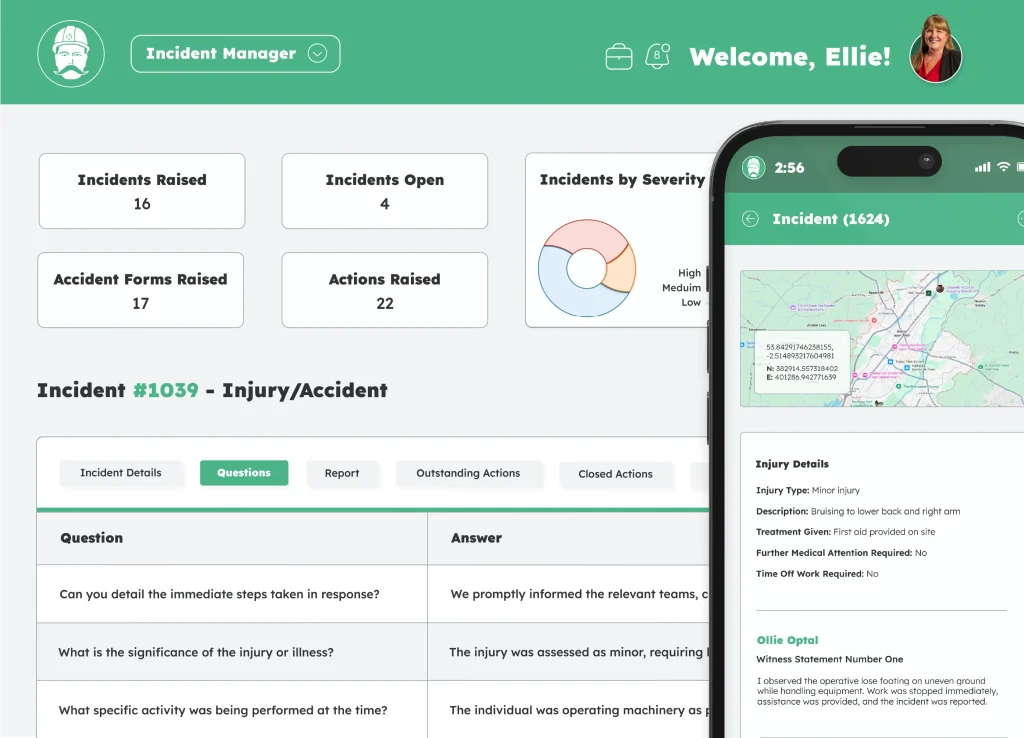
Incident Manager
Report incidents in real time, manage structured investigations and track corrective actions through to resolution with clear visibility across teams.
- Capture incidents, near misses and utility strikes via mobile or QR code submission.
- Automatically notify relevant teams when incidents are raised or updated.
- Standardise investigations with structured workflows and supporting evidence.
- Assign and track corrective and preventative actions through to resolution.
- Gain central visibility of incident trends, statuses and outstanding actions.
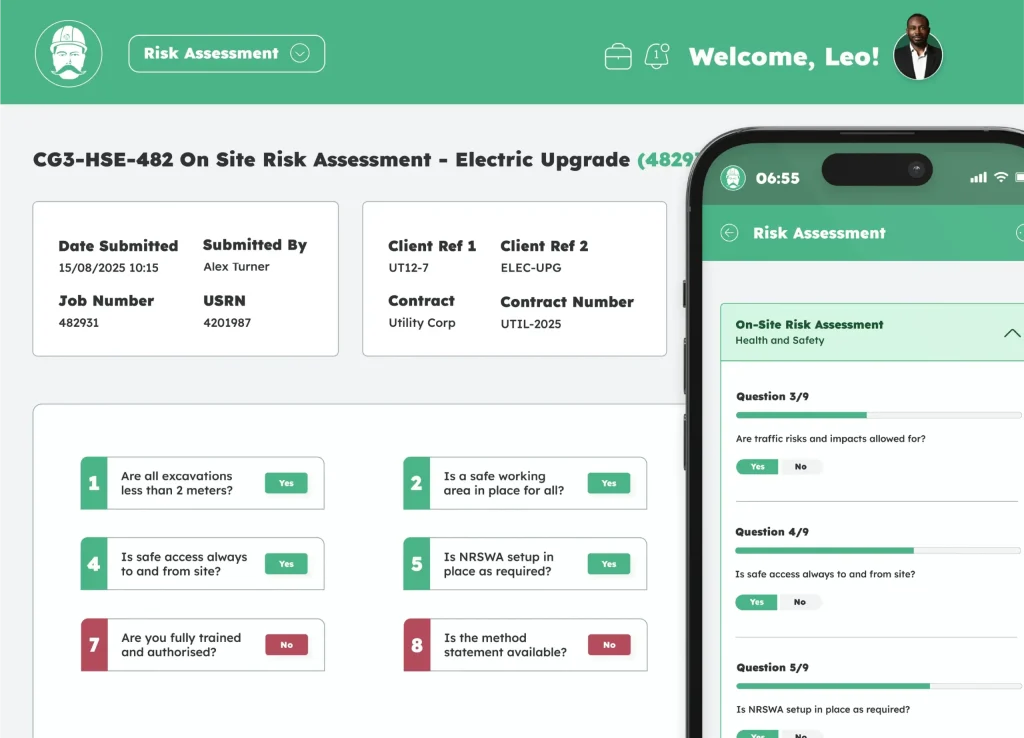
Risk Assessments
Complete customisable risk assessment templates on site and link them to live jobs, ensuring hazards are identified and controlled throughout delivery.
- Prevent work from progressing until mandatory risk assessments have been completed.
- Capture changing site conditions by updating assessments in real time.
- Automatically trigger job holds, tasks or notifications based on identified risks.
- Track assessment completion across all live jobs from one central view.
- Record time-stamped submissions and digital signatures for greater accountability.
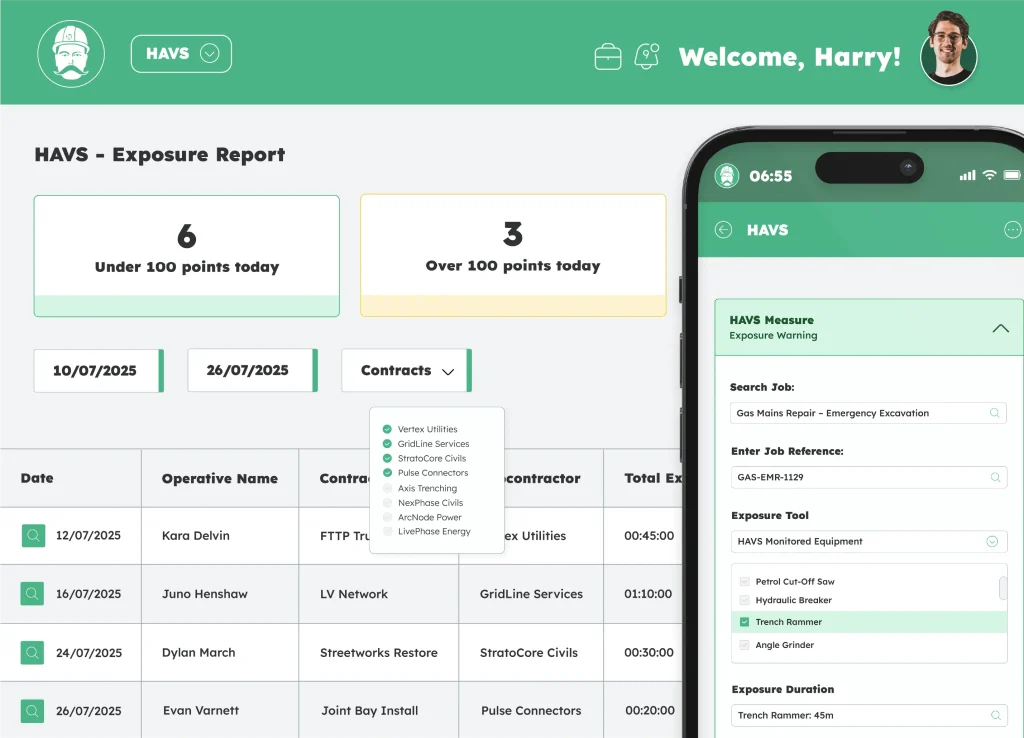
HAVS Management
Track cumulative vibration exposure across tools and tasks, giving teams clear visibility as operatives approach defined exposure limits.
- Monitor vibration exposure across tools and tasks throughout each working shift.
- Alert operatives and supervisors as exposure approaches defined thresholds.
- Assign vibration values to tools and track exposure against recorded usage.
- Access dashboards showing exposure by operative, tool or active job.
- Maintain accurate exposure records to support compliance and regulatory reporting.
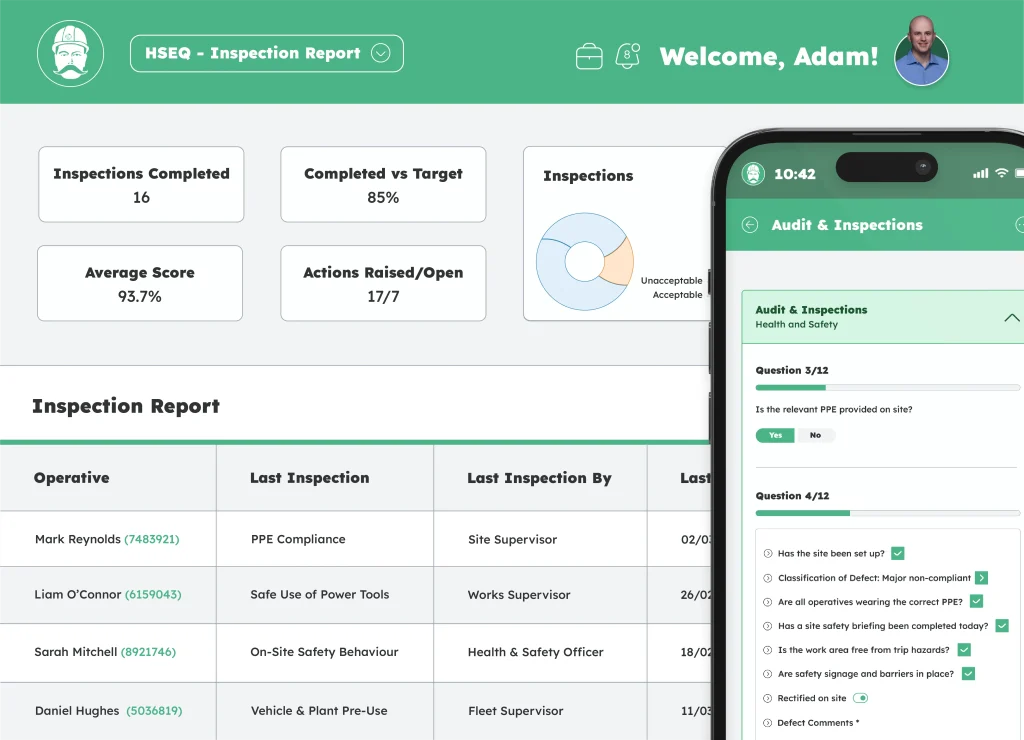
Audits and Inspections
Complete digital audits and inspections from any site, helping identify compliance issues, assign corrective actions and improve health and safety performance across field operations.
- Complete configurable audits and inspections from any mobile device.
- Identify non-conformances and assign corrective actions immediately.
- Track outstanding actions through to completion and sign-off.
- Gain central visibility of audit results and recurring compliance issues.
- Build a complete audit trail to support investigations and continuous improvement.
Supporting Safer Field Operations
Understanding what RIDDOR stands for is only the first step. Knowing what must be reported, who is responsible and how to respond when incidents occur is essential for maintaining compliance and creating safer working environments.
For organisations managing field-based workforces, having the right processes and technology in place can make incident reporting more consistent, investigations more effective and compliance easier to demonstrate. By combining structured incident management, risk assessments, HAVS management, audits and inspections, organisations can not only meet their legal responsibilities under RIDDOR but also build a stronger culture of health and safety across every operation.
If you’re looking to strengthen your health and safety processes, discover how Depotnet’s HSEQ capabilities help utilities and field operations manage incidents, reduce risk and support ongoing compliance.