














AUTO-SCHEDULING SOFTWARE
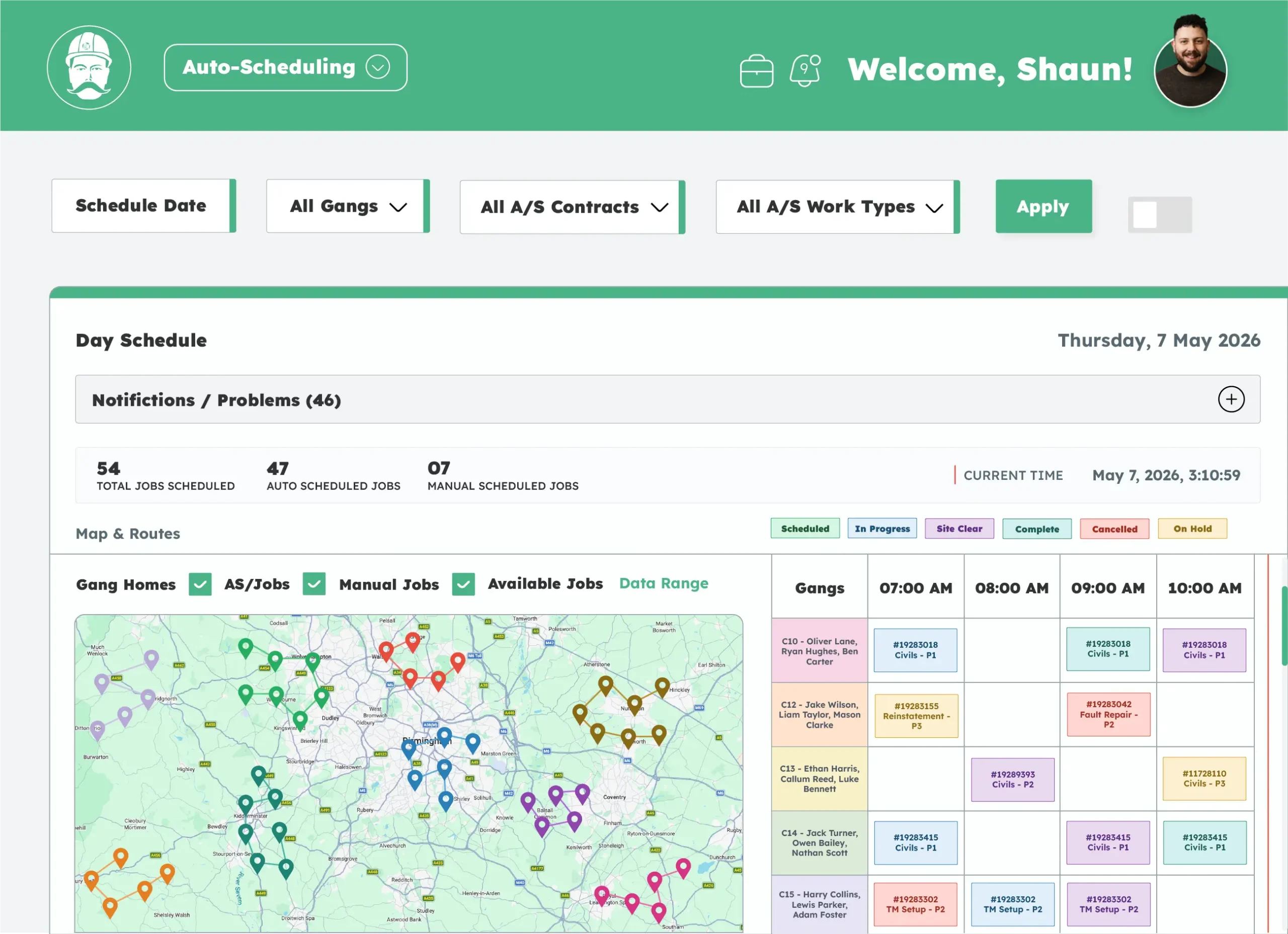
Create Optimised Field Schedules Without Manual Planning
Join the 100+ companies and 100,000+ users using Depotnet right now.


FEATURE CAPABILITY
Structure Daily Work Using Configured Rules.
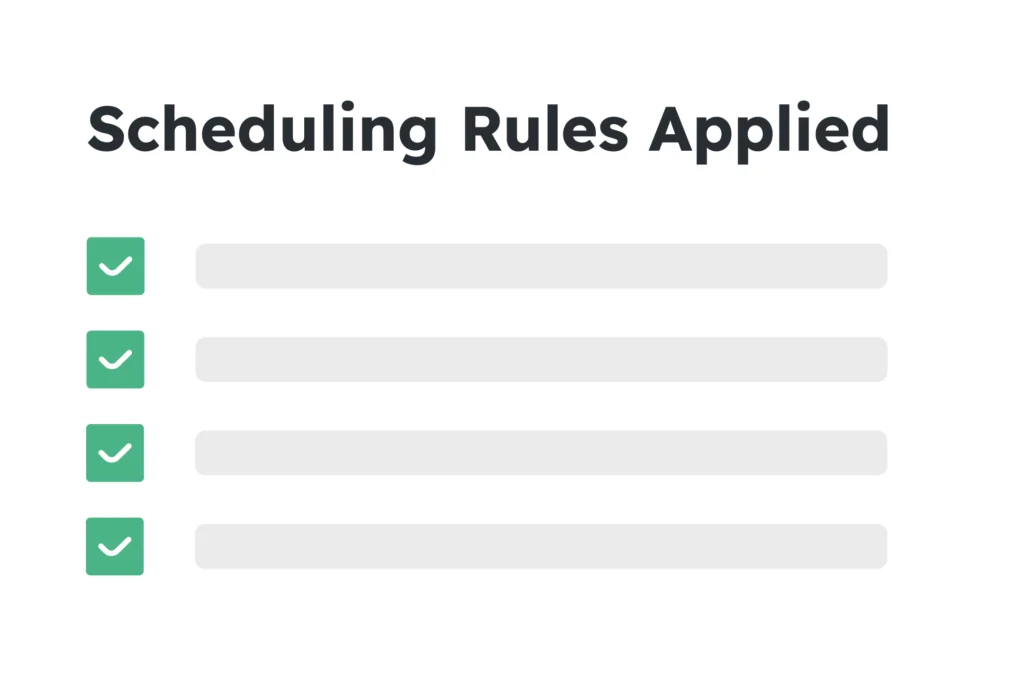
Configured rules determine how work is allocated, producing structured daily plans aligned to real-world delivery conditions.
Align Work to Business Priorities
Maximise Field Productivity
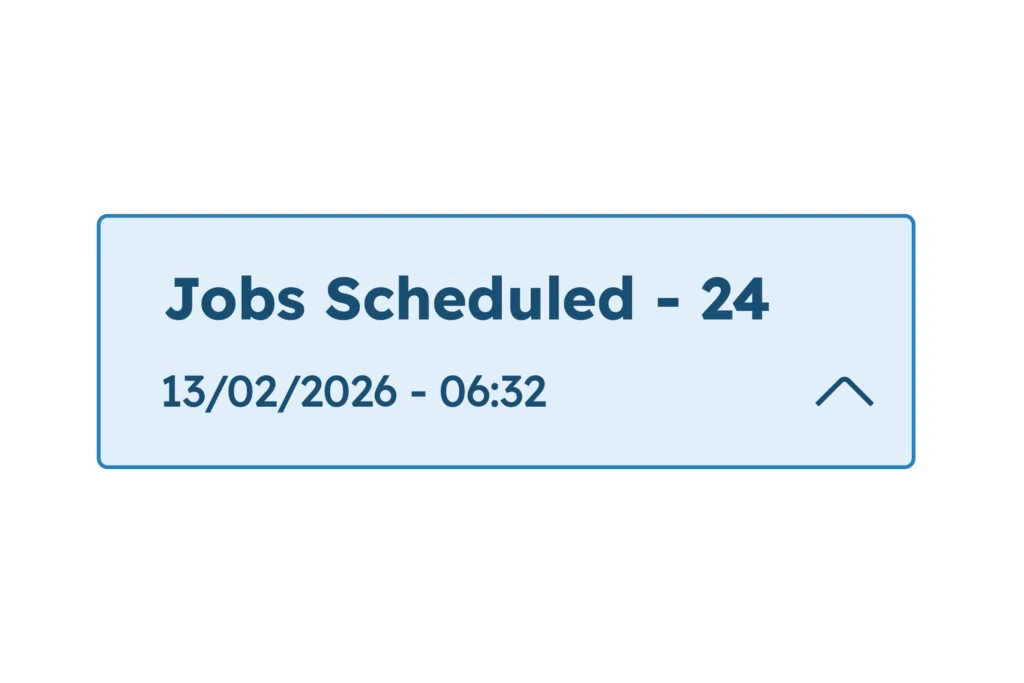
Retain Control with Draft Validation
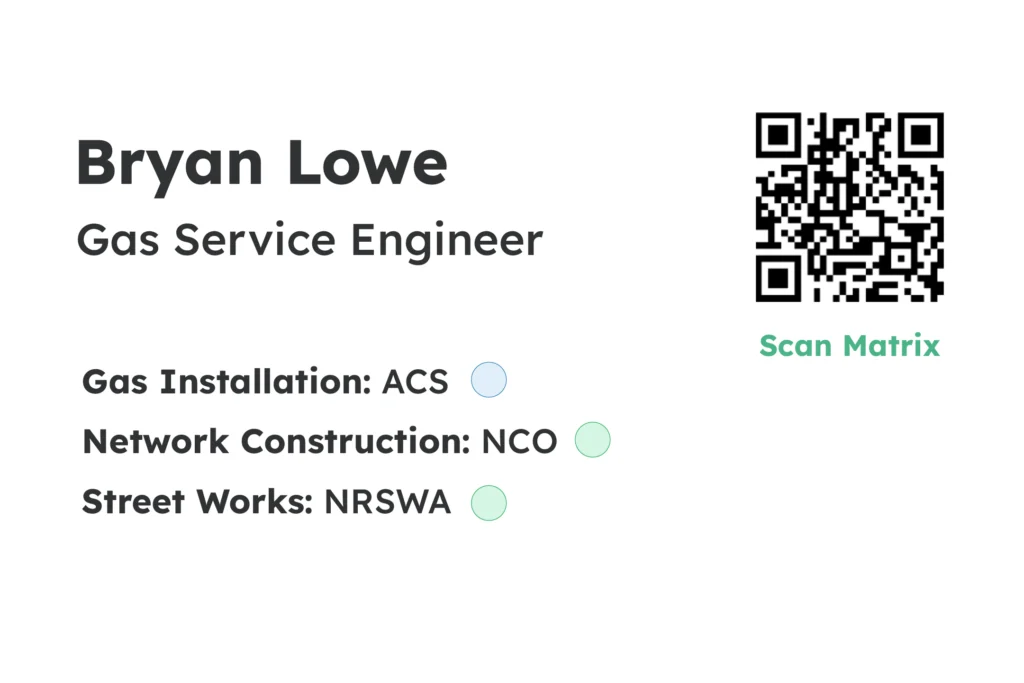
Assign the Right Skills Every Time
Reduce Failures and Breaches
PLATFORM SUPPORT
Supporting Delivery from Office to Field.
Operations
Manage jobs from validation to completion with full mobile and office continuity.
Commercial
Control quotations and billing within structured commercial workflows from start to finish.
Compliance
Maintain risk assessments and regulatory records within controlled operational processes.
Jobs
Keep all activity linked directly to work orders, maintaining clear delivery traceability.
Contracts
Apply consistent processes across frameworks to support clear performance oversight.
Workforce
Allocate and monitor field crews with structured planning and reporting tools across every job.
It’s about bringing together resource allocation and automatic scheduling.
With cross-skilling across our teams, it was important to have a delivery model that allows us to transfer staff between projects.
INSIGHTS & UPDATES
Insights Across Utilities and Infrastructure.
What Is Job Management? Everything You Need to Know (2026)
Street Works UK Waste Classification Protocol: Key Changes Explained
The Complete Utility Contract Management Guide
Auto-Scheduling Software FAQs
Auto-scheduling software automatically generates work schedules using configured rules such as availability, skills, travel time and task duration.
Yes. Generated schedules can be reviewed, adjusted and validated by office teams before work is confirmed.
Schedules can be configured using inputs such as operative capacity, shift patterns, job location, skills and business-defined priorities.
By ensuring jobs meet readiness and permit conditions before confirmation, the system helps reduce works taking place outside approved parameters.
Yes. Businesses can configure how much manual validation or intervention is required before schedules are finalised.
By allocating work based on defined operational rules, teams can reduce travel inefficiencies, avoid failed visits and increase daily output without increasing headcount.